

Find Relief from Teeth Grinding with Nightguards for Bruxism
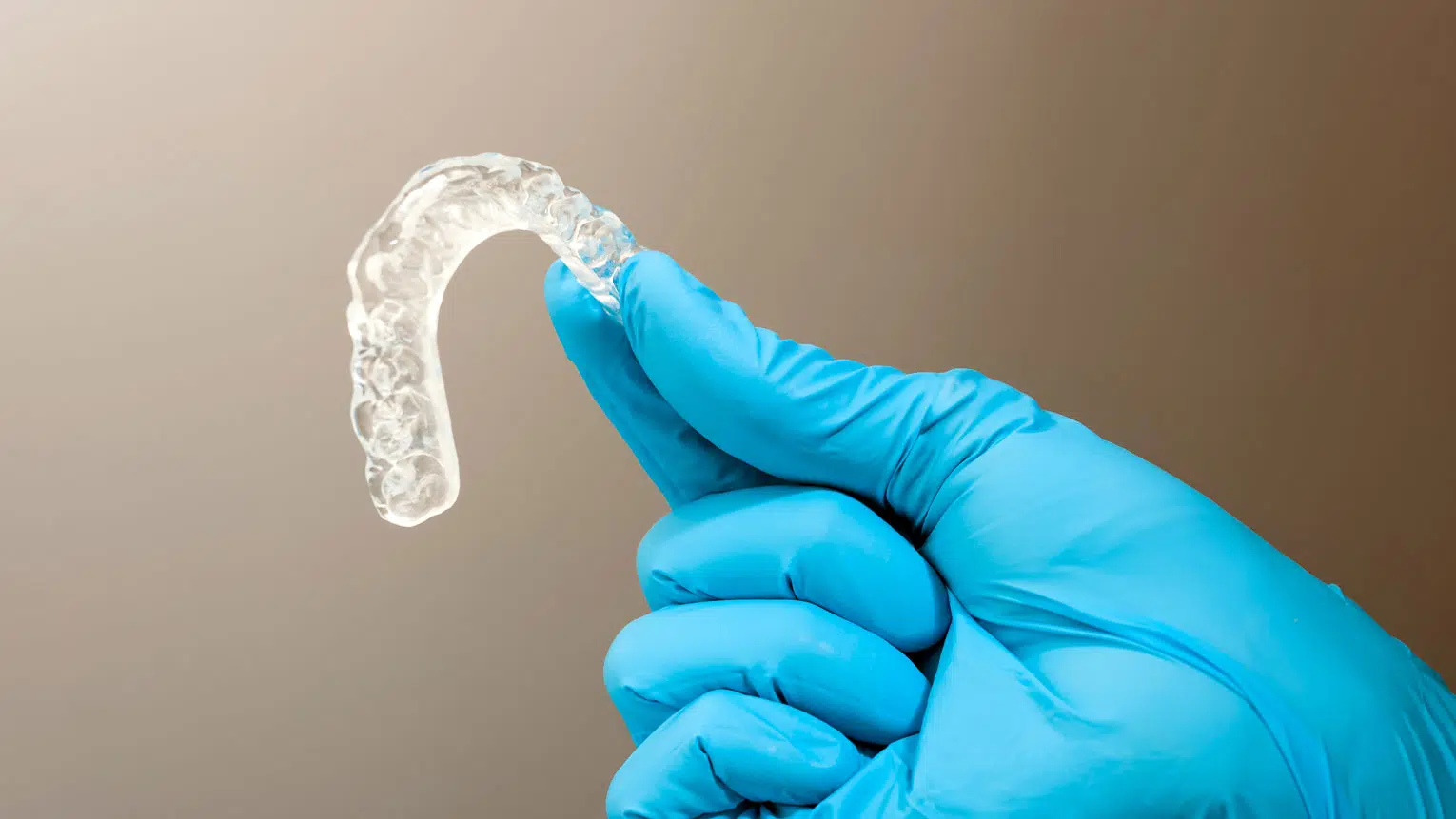


Teeth grinding affects 8-31% of adults, causing jaw pain, headaches, and serious dental damage. The constant pressure can crack teeth and wear down enamel beyond repair.
Nightguards for bruxism offer proven protection against this destructive habit. We at Hinsdale Dental help patients stop grinding damage with custom-fitted solutions that work while you sleep.
What Happens When You Grind Your Teeth
Bruxism involves involuntary rhythmic contractions of your jaw muscles, which create forces that can exceed 200 pounds per square inch. This destructive habit occurs in two forms: sleep bruxism affects 8% of the general population according to research studies, while awake bruxism impacts a significant portion of adults. The masseter muscles work overtime during episodes, often without your awareness until damage appears.
The Warning Signs Your Body Sends
Morning jaw pain ranks as the most reliable indicator of nighttime episodes. You might wake with tight facial muscles, temple headaches, or a locked jaw sensation. Your sleep partner often notices sounds first – these audio clues frequently prompt the initial dental consultation. Tooth sensitivity to hot or cold temperatures signals enamel wear, while earaches without infection suggest jaw joint stress from excessive clenching.
Serious Damage That Accumulates Over Time
Chronic episodes create irreversible dental destruction that compounds monthly. Enamel erosion exposes softer dentin layers, which leads to cavities and requires crowns or root canals. Teeth can crack vertically or chip at the edges, sometimes breaking completely during sleep. The temporomandibular joint suffers inflammation and cartilage damage, potentially causing permanent jaw dysfunction.
The Financial Cost of Untreated Bruxism
Severe cases result in tooth loss, bone recession, and facial muscle hypertrophy that changes your appearance. Recent surveys show 71% of dentists reported increased prevalence of teeth grinding and clenching among their patients. Single tooth replacements can cost $3,000-$5,000 (including implant and crown), while full mouth rehabilitation often exceeds $30,000.
These mounting dental problems make prevention through protective devices a smart investment for your oral health and wallet.
How Nightguards Stop Teeth Damage
Nightguards create a protective barrier between your upper and lower teeth, absorbing the destructive forces that would otherwise crack enamel and damage dental work. Hard acrylic resin guards distribute pressure across the entire surface, reducing concentrated stress points that cause chips and fractures. The Cleveland Clinic reports that custom mouth guards serve as the first line of defense for sleep disorders, while studies show they effectively control tooth wear even when they don’t reduce episodes.
Store-Bought Options Fail to Deliver
Over-the-counter guards from pharmacies cost $20-$50 but deliver poor results due to generic sizes and soft materials. Boil-and-bite versions create loose fits that shift during sleep, while one-size-fits-all stock guards often fall out or feel bulky. Occlusal splints are beneficial for reducing tension, decreasing muscle activity, and preventing harmful effects caused by bruxism. These products typically last 3-6 months before you need replacement.
Custom Guards Provide Superior Protection
Professional nightguards require dental impressions for precise fit, taking up to two weeks to fabricate in specialized labs. Hard acrylic construction withstands years of nightly use while it maintains proper jaw alignment. The exact fit prevents slip and eliminates gaps where teeth can still make contact.
Insurance Coverage Makes Treatment Affordable
Many dental plans only partially cover the cost when doctors prescribe them for bruxism treatment. This coverage significantly reduces your out-of-pocket expense compared to the thousands you might spend on dental repairs later. Many patients find that their annual dental benefits easily cover the initial investment (with proper documentation from their dentist).
The next step involves understanding exactly how dental professionals create these custom-fitted solutions and what you can expect during the process.
How Do You Get a Custom Nightguard
We at Hinsdale Dental begin the custom nightguard process with precise digital impressions that capture every contour of your teeth and bite pattern. Your dentist examines your jaw alignment and discusses your symptoms to determine the optimal guard thickness and design. Digital scans take just 10-15 minutes compared to traditional putty impressions that often trigger gag reflexes and require multiple attempts. The lab fabricates your guard from medical-grade acrylic resin within 7-10 business days, which creates a device that fits your mouth exclusively.
Your Fitting Appointment Experience
Your second visit involves trial of the completed guard and precise adjustments for perfect comfort. The dentist checks that your bite remains balanced when you wear the device and verifies that no pressure points cause discomfort. The guard should feel snug but never painful, with smooth edges that won’t irritate your gums or tongue. Most patients adapt within 3-5 nights, though some experience initial excess saliva or slight speech changes that disappear quickly. A follow-up appointment within two weeks addresses any concerns and verifies the guard performs as expected.
Daily Care Protects Your Investment
Clean your nightguard immediately after removal with lukewarm water and antibacterial soap (never hot water that warps the acrylic material). Store the device in its ventilated case to prevent bacterial growth and protect against damage from pets or accidental crushing. Weekly soaks in denture cleaner remove stubborn buildup, while monthly deep cleans with hydrogen peroxide eliminate odors. Replace your guard every 1-3 years or sooner if you notice cracks, rough spots, or loose fit that indicates normal wear has compromised its protective function.
Professional Adjustments Maintain Effectiveness
Schedule regular dental checkups that include nightguard inspections for signs of wear or damage. Your dentist can spot early problems like thin spots or stress fractures before they compromise protection. Minor adjustments during routine visits keep the guard comfortable and effective throughout its lifespan. Professional evaluation also monitors changes in your bite pattern that might require guard modifications or replacement.
Final Thoughts
Professional nightguards for bruxism deliver measurable protection that store-bought alternatives cannot match. Custom-fitted guards last 3-5 years while they prevent thousands of dollars in dental repairs from cracked teeth, worn enamel, and jaw joint damage. The precise fit eliminates pressure points and maintains proper jaw alignment throughout the night.
Action now prevents irreversible damage that compounds monthly. Morning headaches, jaw pain, and tooth sensitivity signal active destruction that worsens without intervention. The 8-31% of adults affected by teeth grinding face mounting dental bills when they delay treatment (especially those with severe cases).
We at Hinsdale Dental create nightguards that fit perfectly and protect effectively. Your teeth endure tremendous forces during episodes – up to 200 pounds per square inch. Custom nightguards distribute this pressure safely while you sleep, which stops damage before it requires expensive restorative work. Contact us today to schedule your consultation and start protection for your smile.
Meet the Author

Dr. Alyssa C. Brown
Dr. Brown is a trusted provider of cosmetic, restorative, and pediatric dental care, proudly serving the Hinsdale community.
Meet Dr. Brown